Turnkey PCB Assembly Services
Turnkey programs combine fabrication, sourcing, assembly, and logistics so your team spends less time coordinating vendors—and more time shipping product with one accountable technical interface.
Service overview
Turnkey PCBA is the model most hardware teams eventually want once vendor count becomes the bottleneck. Instead of juggling a fab house, a broker, and an assembler—each with different revision states—you work one program owner across stackup, BOM, assembly, test, and shipment. MOZPCB builds turnkey around that single interface: clear milestones, documented ownership, and early visibility into long-lead and allocation risk.
The commercial and technical work starts with a costed BOM scrub. We map lifecycle status, recommended alternates, package compatibility, and long-lead items before you lock a promise date. That is how turnkey avoids the classic failure mode: a fast fab quote paired with a silent 16-week inductor that stalls the line.
Turnkey is especially effective for startups and lean OEM teams moving from EVT into DVT and pilot production—where purchasing infrastructure is thin but schedule pressure is high. It is also a consolidation play for companies tired of multi-vendor email threads when a polarity error or shortage appears. Consignment and partial turnkey remain available when AVL rules or corporate contracts require you to own specific line items.
Quality and traceability follow the full chain: board lot, component date codes, MSL handling, AOI/X-ray coverage, and agreed functional checks. When something fails, accountability is unambiguous because fabrication, materials, and assembly live under one traveler.
What we offer
- PCB fabrication matched to the assembly process, finish needs, and test strategy
- Component sourcing with documented alternates and AVL control where required
- Full SMT and through-hole assembly with mixed-technology support
- Inspection and testing per agreed criteria, including AOI, X-ray, and functional test options
- Costed BOM review with lifecycle flags, package checks, and shortage risk callouts
- Partial turnkey: you consign critical lines; we source commodity and passives
- Packaging, labeling, and kitting for downstream integration or field deployment
- Shipping coordination with commercial invoices and export documentation as needed
- Program communication through RFQ, DFM, first article, and ramp milestones
Technical capabilities
- Consolidated BOM scrubbing and costed bill comparisons across revisions
- Sourcing strategies for allocation-constrained and long-lead components
- Authorized-channel preference and lot/date-code visibility for risk-sensitive parts
- Integration of customer-furnished parts (CFE) or specialty materials into a hybrid kit
- Configurable test, programming, and burn-in steps for industrial or telecom programs
- Revision-controlled travelers from bare board through finished goods
- Serialization and packing formats aligned to your warehouse or CM intake rules
Common applications
- Hardware startups moving from EVT to DVT and pilot builds without a full purchasing team
- OEMs outsourcing complete board builds to avoid adding headcount
- Companies consolidating fab, sourcing, and assembly into one accountable partner
- NPI programs where schedule risk from shortages outweighs component-margin optimization
- Small-batch production that still needs traceability and repeatable quality gates
How the process works
- 01
RFQ and BOM scrub
Share Gerbers, BOM, assembly data, and target quantities. We return technical questions plus a costed materials view with alternates and lead-time risks flagged.
- 02
Fabrication and procurement in parallel
Once the stackup and BOM are approved, boards and parts move together so the kit and panels converge on the same revision and schedule.
- 03
Assembly, inspection, and FA
SMT/TH assembly follows the traveler with AOI and any agreed X-ray or functional gates. First-article review closes issues before volume release.
- 04
Pack, ship, and ramp
Finished boards are packed and documented for your receiving process. Subsequent lots reuse the locked traveler unless an ECO changes scope.
Sourcing to assembly
-
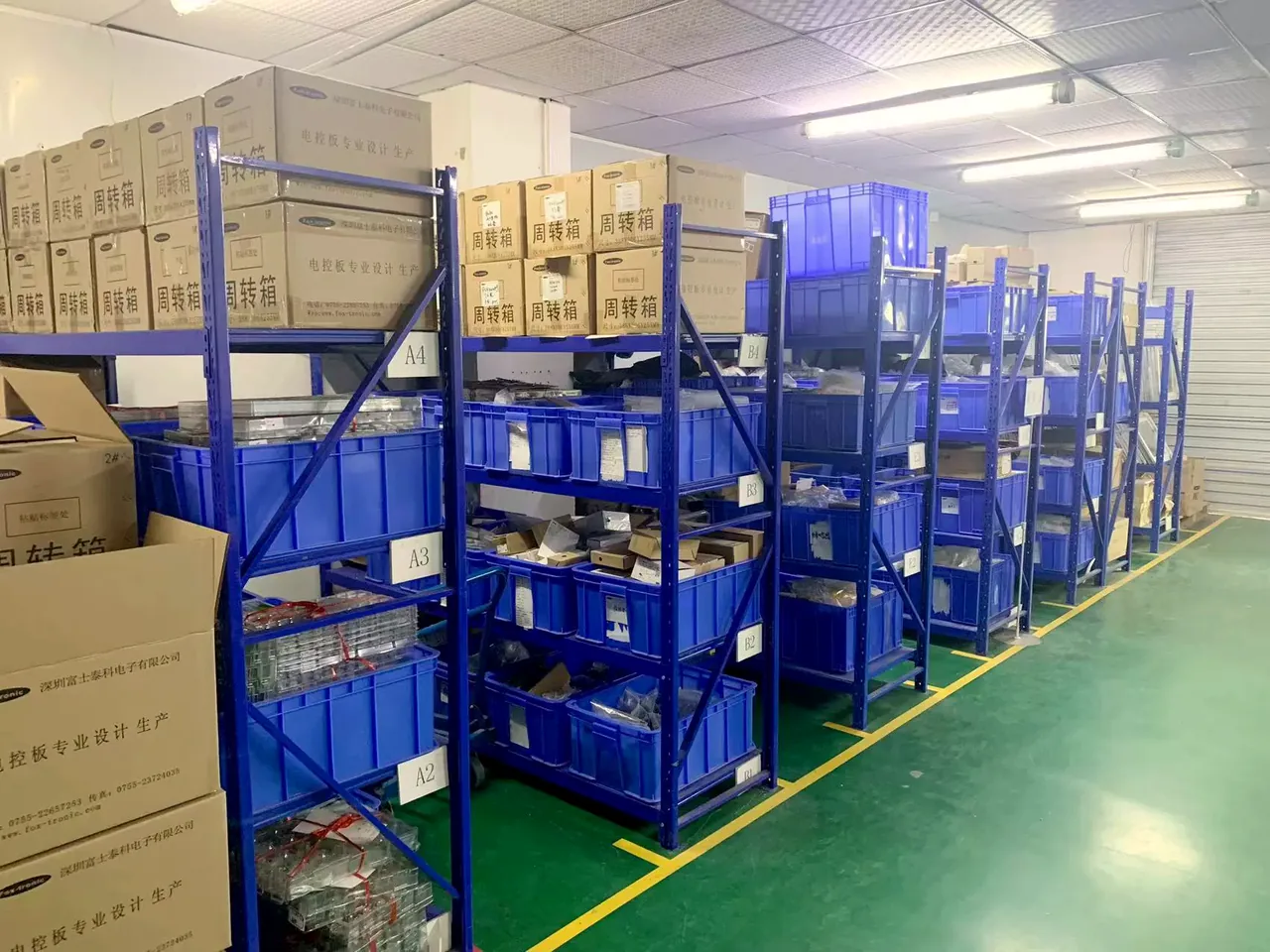
Sourcing & stock -
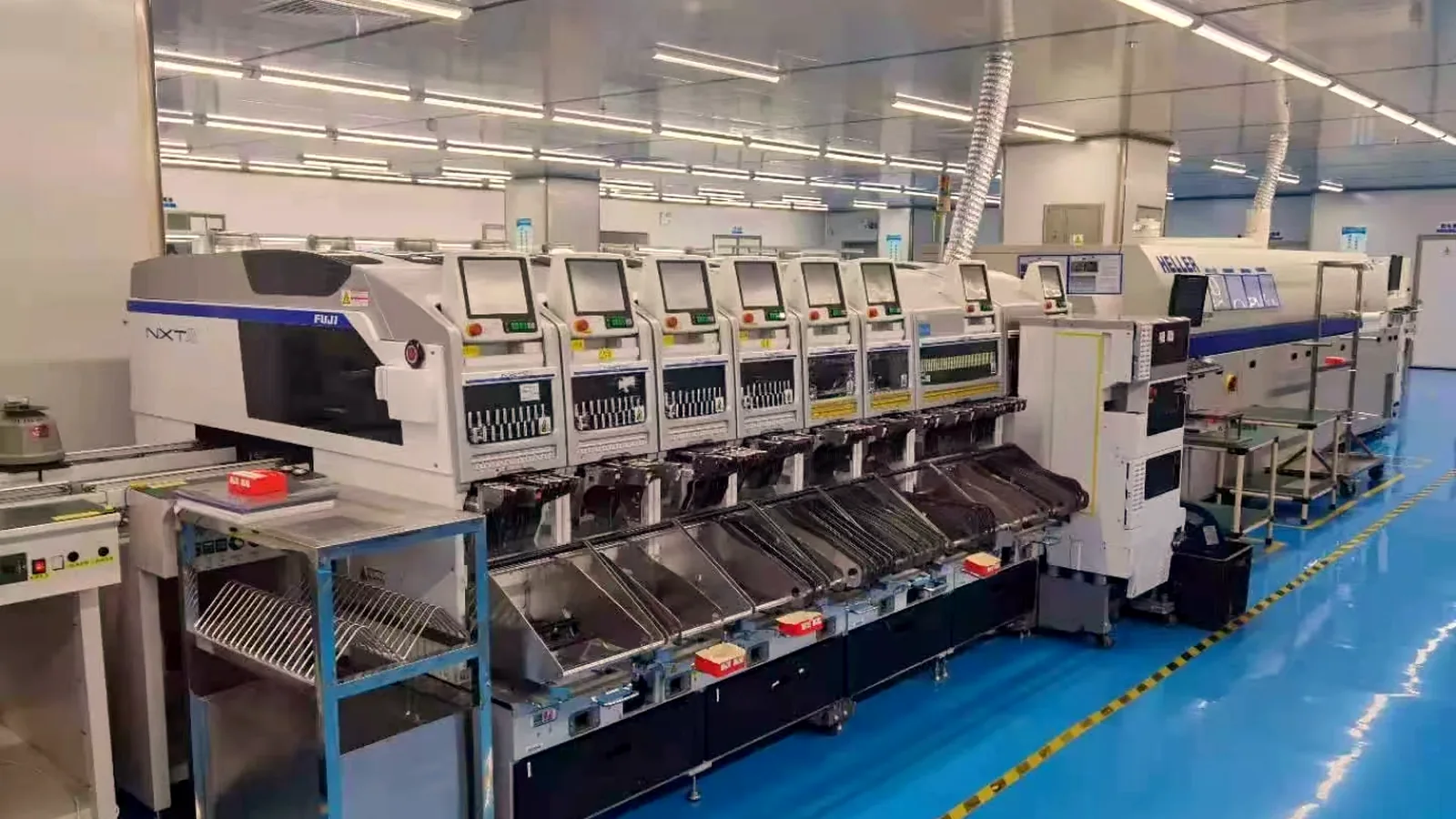
SMT placement -
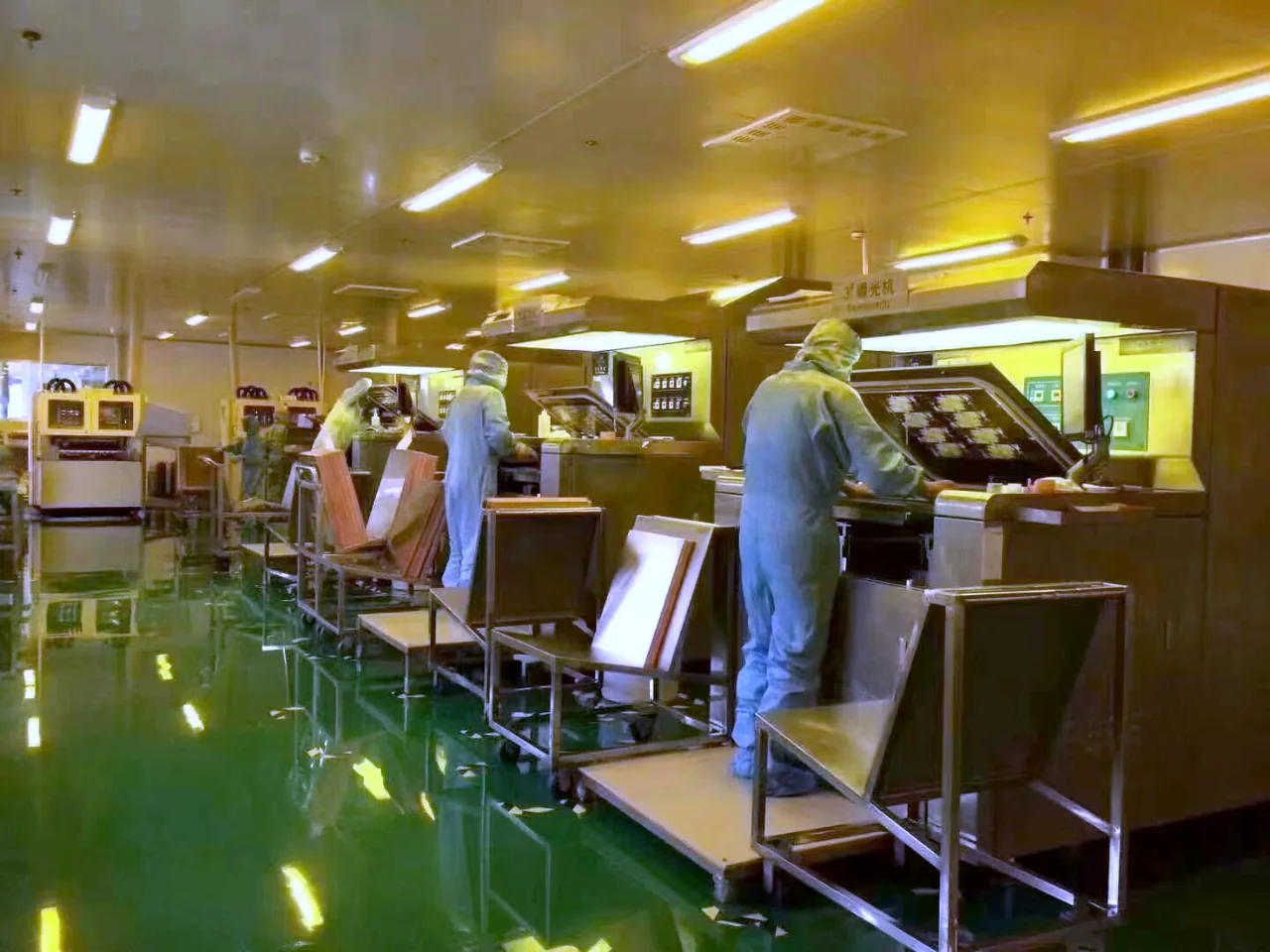
Inspection
Related services
FAQ
How does turnkey differ from labor-only or consigned assembly?
What is partial turnkey?
Can we start turnkey after already fabricating boards ourselves?
How do you handle long-lead and allocation parts?
Who owns quality if a component or solder joint fails?
What should a turnkey RFQ include?
Get started
Ready for the next step?
Send your project files and requirements. We will review stackup, assembly, and test needs, then respond with a clear quotation path.