PCB quality control & inspection
Quality in B2B electronics means documented evidence. MOZPCB aligns inspection steps to your drawing revision, BOM risk, and end-market requirements so you know exactly what was checked before boards ship.
Certifications & quality frameworks
IPC workmanship standards guide day-to-day inspection alignment. Formal management-system certificates and material declarations are shared during supplier qualification—request copies via contact or your RFQ notes.
- IPCProcess alignment
IPC-A-600
Bare-board acceptability criteria referenced during fabrication inspection and customer quality alignment.
See quality process - IPCProcess alignment
IPC-A-610
Electronics assembly acceptability standard used to set solder-joint and workmanship expectations on PCBA jobs.
See quality process - ISOAvailable on request
ISO 9001 Quality Management
Quality-management certificate for supplier qualification packages. Shared on request during onboarding.
Request documentation - ISOAvailable on request
ISO 14001 Environmental Management
Environmental-management documentation available for customers who require it in vendor approval workflows.
Request documentation - ULAvailable on request
UL / flammability support
UL-related material and marking support when the design and laminate set require it—confirmed per stackup review.
Request documentation - RoHAvailable on request
RoHS / material declarations
RoHS-oriented builds and material declarations coordinated when the RFQ specifies compliance evidence.
Request documentation
Inspection & test floor
Where inspection happens
Automated optical inspection, manual review stations, burn-in and aging racks, and a rework bench for touch-up—each step is matched to your acceptance criteria and product risk.
-
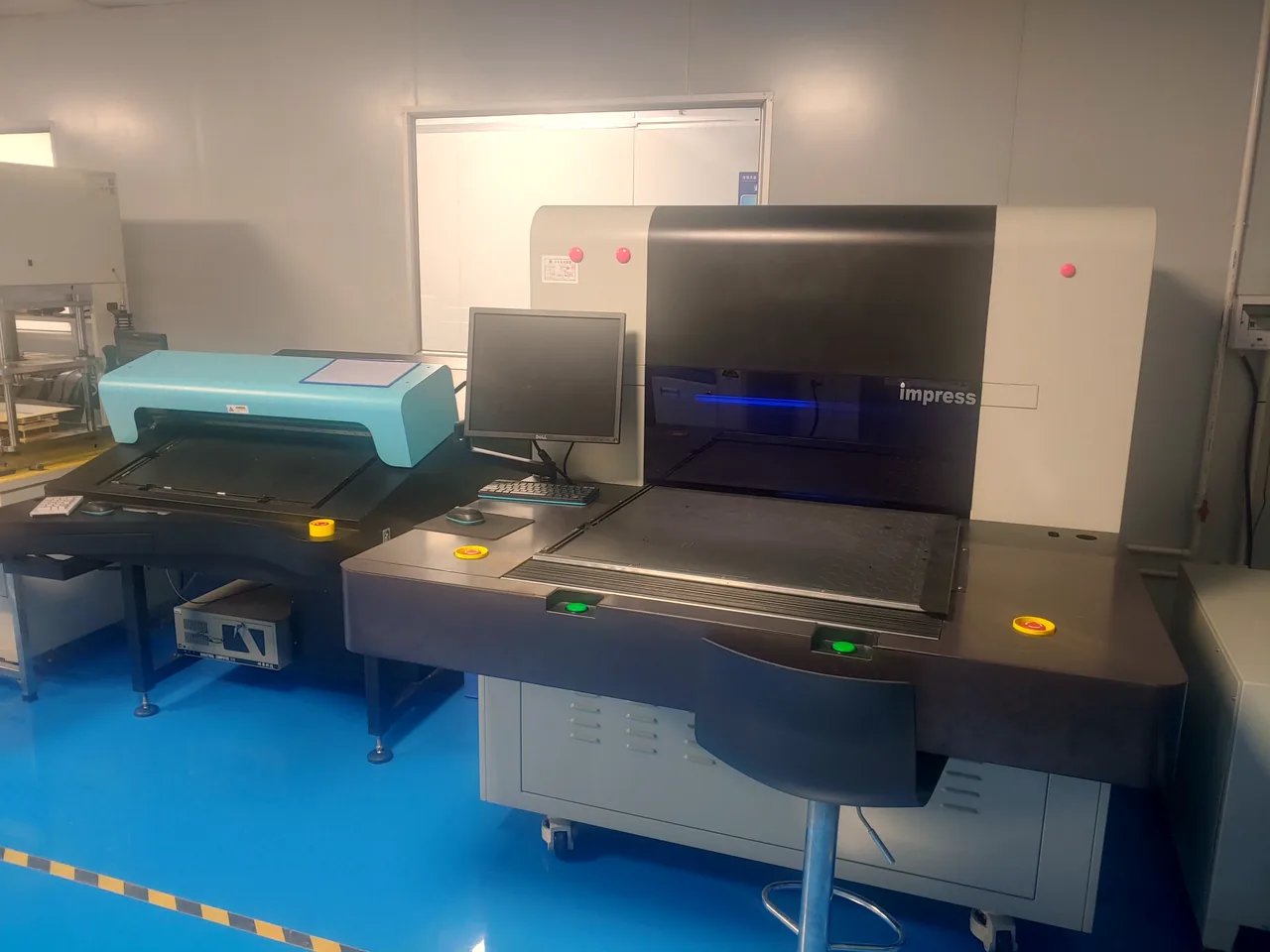
AOI inspection -

Inspection station -
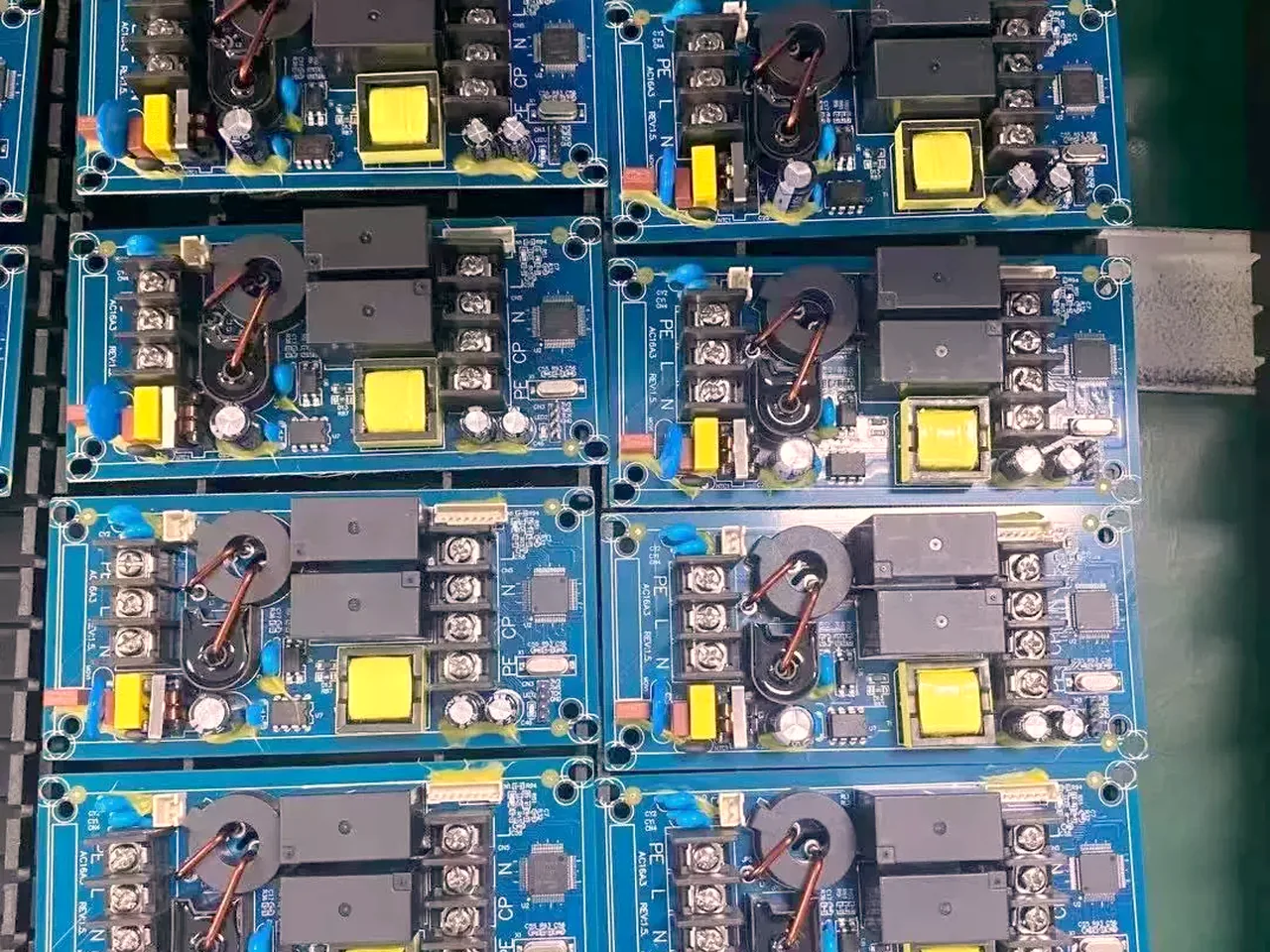
Aging / burn-in test -
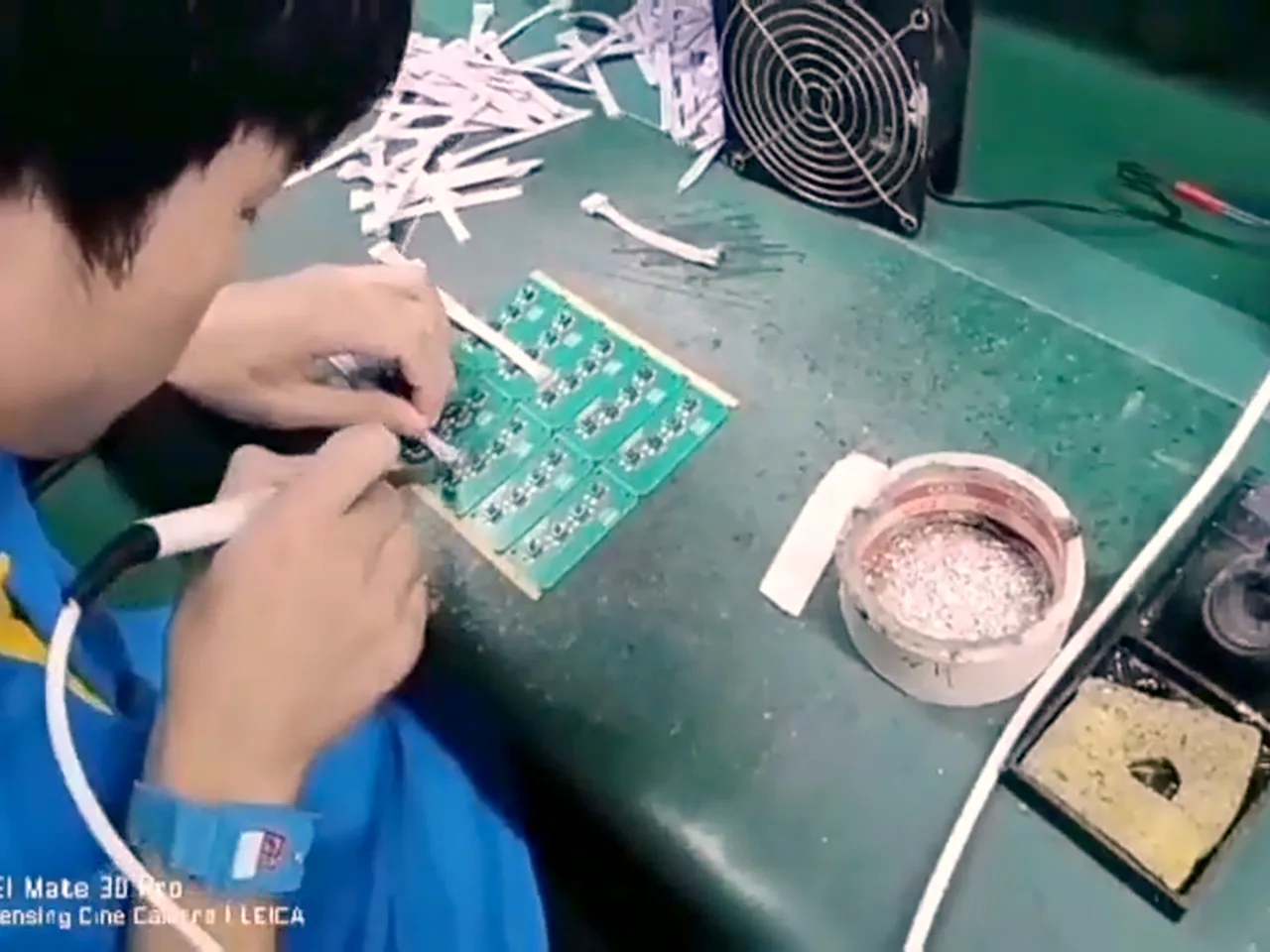
Rework & touch-up
Incoming material inspection
Laminates, foils, and chemistry lots are verified against traveler requirements. For assembly programs, we reconcile MPNs, date codes, and moisture-sensitive handling rules before line placement.
DFM review
Engineering review captures manufacturability risks early—annular ring, mask-defined pads, test access, and panelization—so downstream inspection focuses on the right defect modes.
Solder paste inspection (SPI)
SPI validates volume, alignment, and bridging risk after printing. Programs with fine pitch or high panel utilization benefit from catching paste issues before reflow.
AOI inspection
Automated optical inspection checks solder fillets, missing parts, and gross polarity issues against agreed golden boards or CAD-derived expectations.
X-ray inspection
X-ray supports area-array packages where visual access is limited. Coverage is defined per BOM and customer quality plan.
Flying probe test
Electrical test without a dedicated fixture can validate nets on prototypes and low-volume runs when fixtures are not yet available.
Functional test
When you supply procedures, fixtures, or firmware images, we integrate functional test steps documented on the traveler.
Final visual inspection & packaging
Boards are reviewed for scratches, contamination, and label accuracy before protective packaging. Packaging inspection confirms quantities and orientation for downstream partners.
Traceability support
Lot codes, material certificates, and inspection records can be retained per your compliance or internal audit requirements when agreed in the statement of work.
Get started
Discuss quality expectations for your next build
Share your acceptance criteria, IPC class targets, and any customer-specific checklists when you request a quote. Ask for certificate copies during supplier qualification.