Component Sourcing for PCB Assembly
A BOM line is not just a part number—it is a package, a lifecycle status, and a lead-time risk. MOZPCB sources materials for turnkey and partial-turnkey builds with documented alternates and traceability.
Service overview
Component sourcing sits between your schematic and the SMT line. Missing alternates, wrong footprints, allocation traps, and moisture-sensitive handling gaps show up as schedule killers—not BOM spreadsheet typos. MOZPCB runs costed BOM reviews before procurement so you approve substitution rules and long-lead flags early.
We support full turnkey material procurement and partial programs where you consign critical lines and we source commodity passives. Customer-furnished parts can integrate into hybrid kits when your AVL requires it.
Traceability matters for regulated and industrial programs: lot codes, authorized-channel preference, MSL handling, and incoming verification are documented in the traveler—not improvised at the line.
What we offer
- Costed BOM scrub with lifecycle and package verification
- Authorized-channel procurement with documented alternates
- Allocation and long-lead flagging with proposed substitutes
- Partial sourcing: commodity lines while you consign critical parts
- Incoming inspection and kit verification against the BOM
- MSL baking, dry storage, and date-code tracking
- AVL-controlled builds with customer-approved substitution rules
- Commercial documentation for export and receiving workflows
Technical capabilities
- Multi-source comparison for passives and standard ICs
- Cross-reference validation when alternates are proposed
- Integration of custom modules and CFE parts into hybrid kits
- Lot traceability records for audit-sensitive programs
- Coordination with fabrication schedules so kits meet OSP/ENIG age limits
Common applications
- Turnkey PCBA for startups without purchasing infrastructure
- NPI builds where shortage risk outweighs margin optimization
- Industrial programs requiring documented material traceability
- Pilot runs that must converge fab, parts, and assembly on one revision
- Hybrid consignment when only a few lines are customer-controlled
How the process works
- 01
BOM intake and scrub
Share the BOM, AVL rules, and quantities. We return costed lines, lifecycle flags, and alternate options.
- 02
Approval and procurement
Approved alternates and hard AVL lines are locked; purchase orders align to the assembly schedule.
- 03
Incoming and kitting
Parts are verified, baked when required, and kitted to the traveler before the line runs.
- 04
Issue resolution
Shortages and ECO-driven line changes are tracked on one program thread with fab and assembly.
Kitting & material handling
-
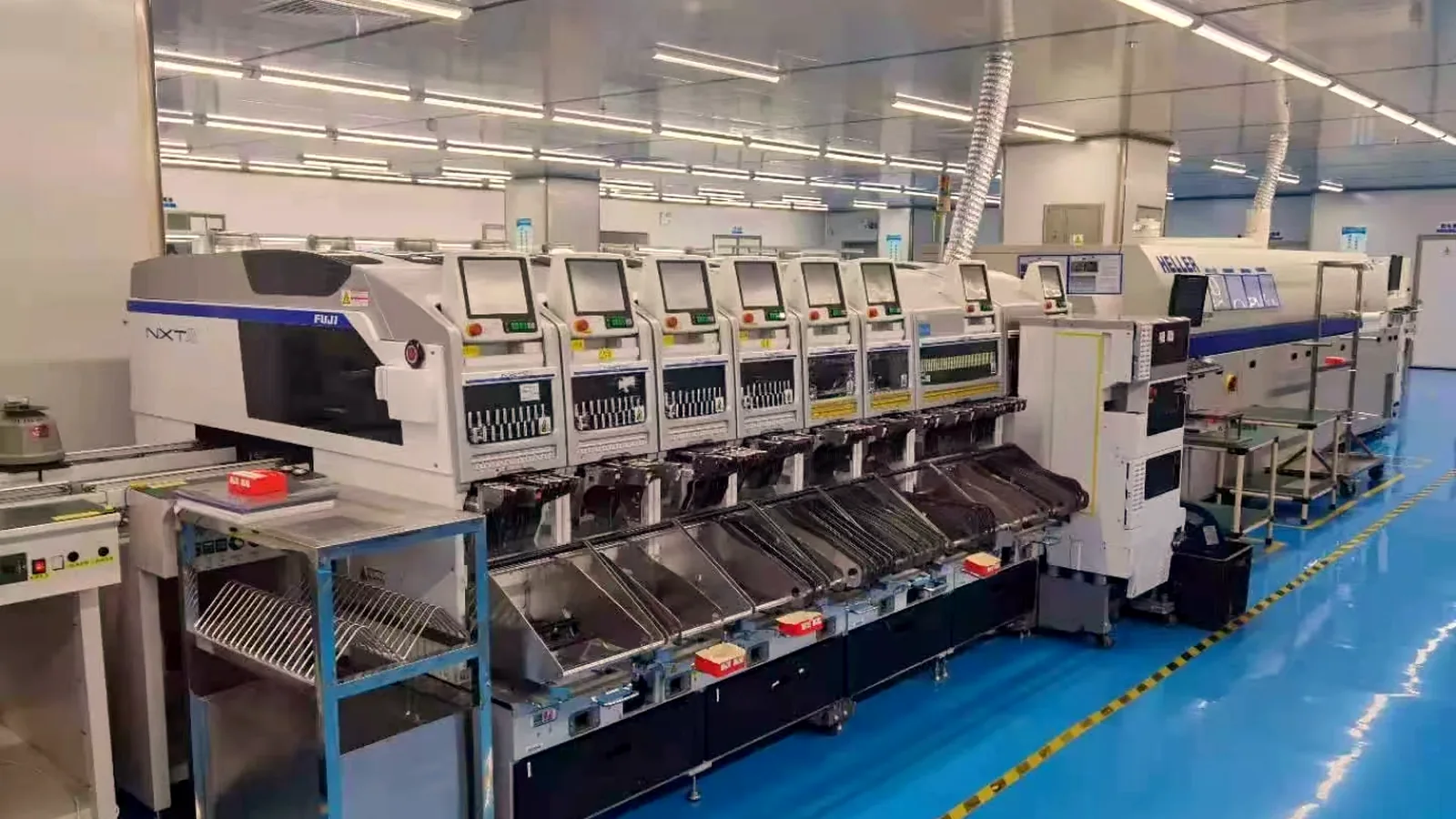
SMT placement -
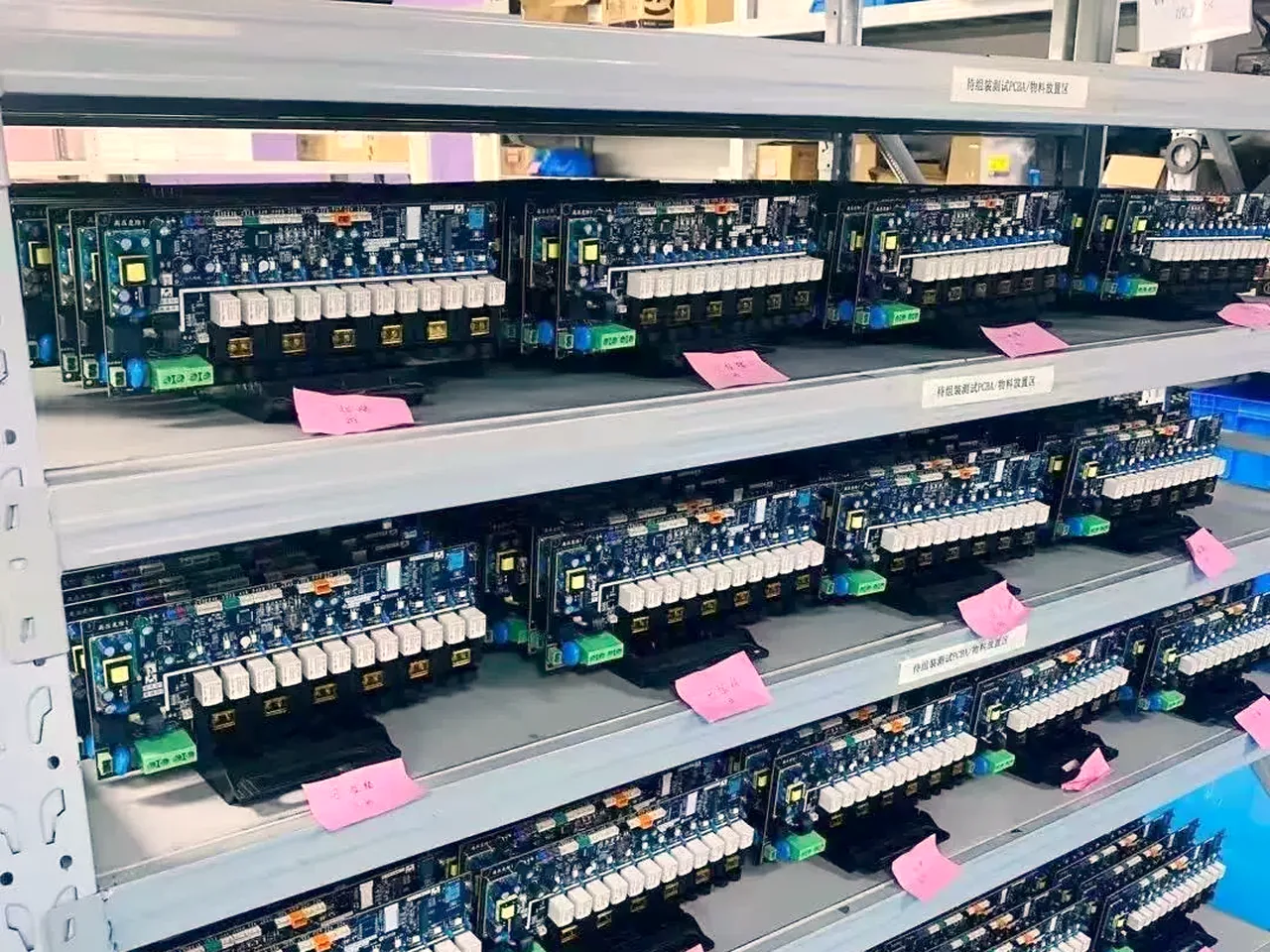
Reel feeders -
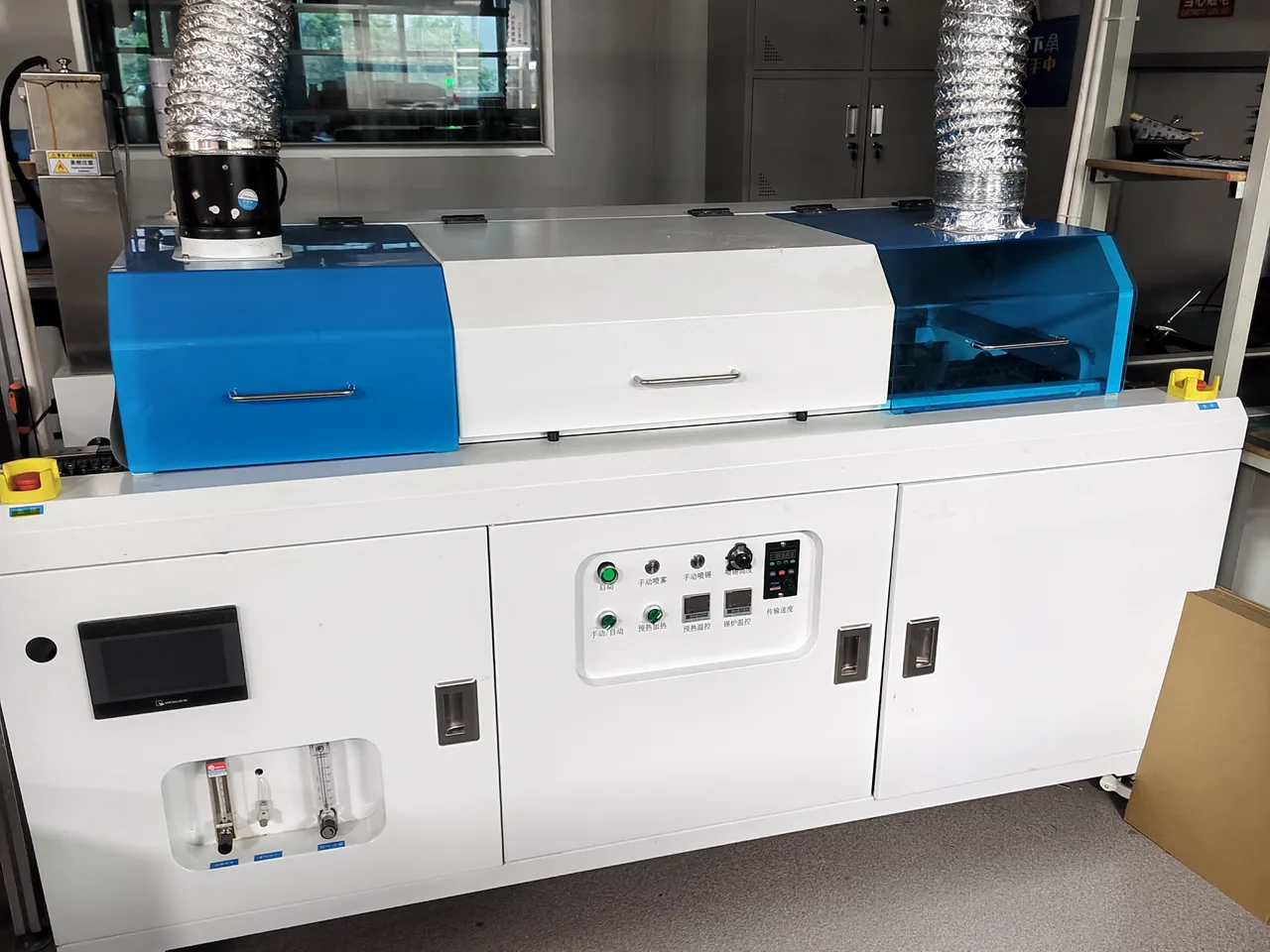
Reflow soldering -
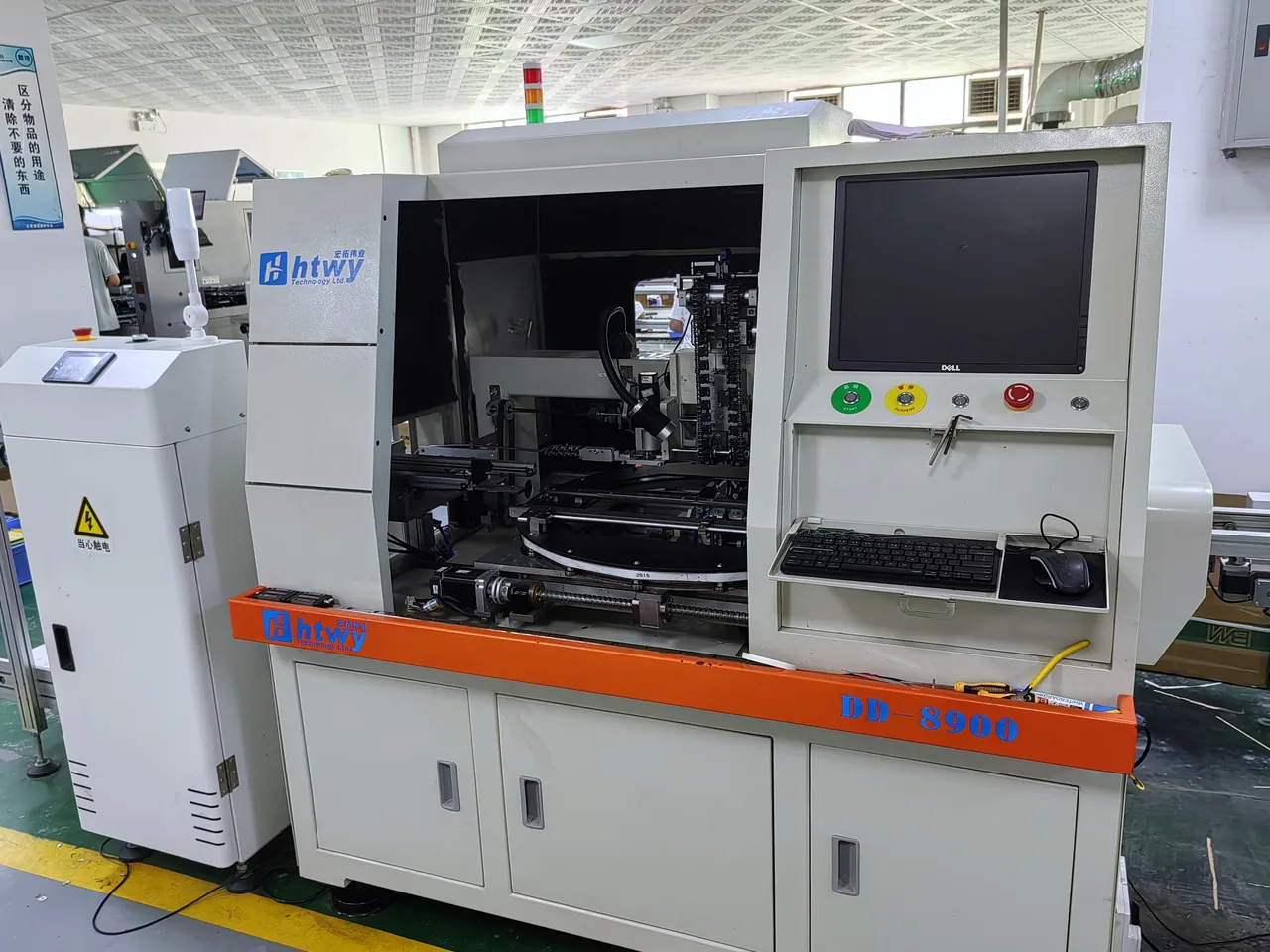
THT insertion -
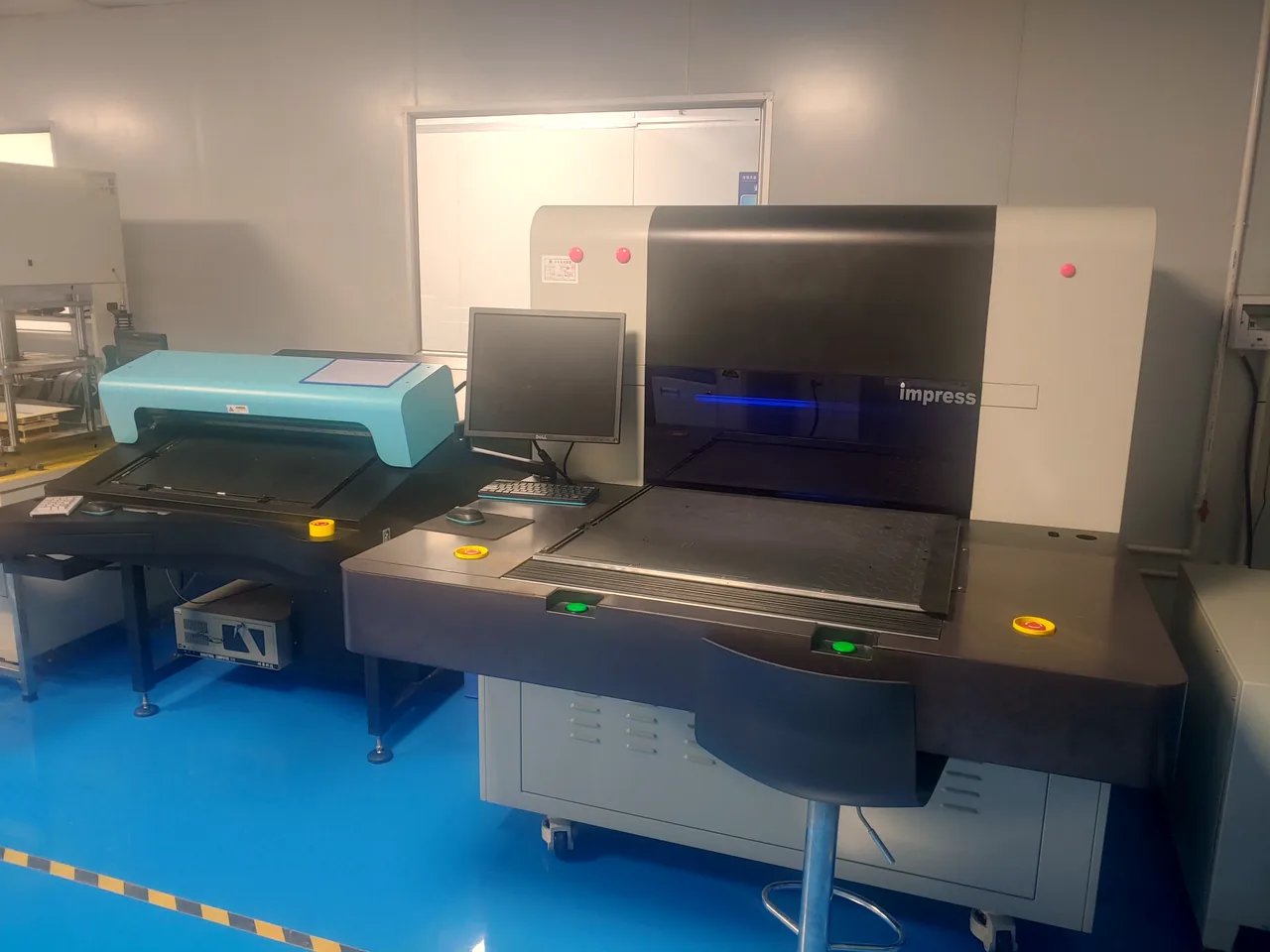
AOI inspection -
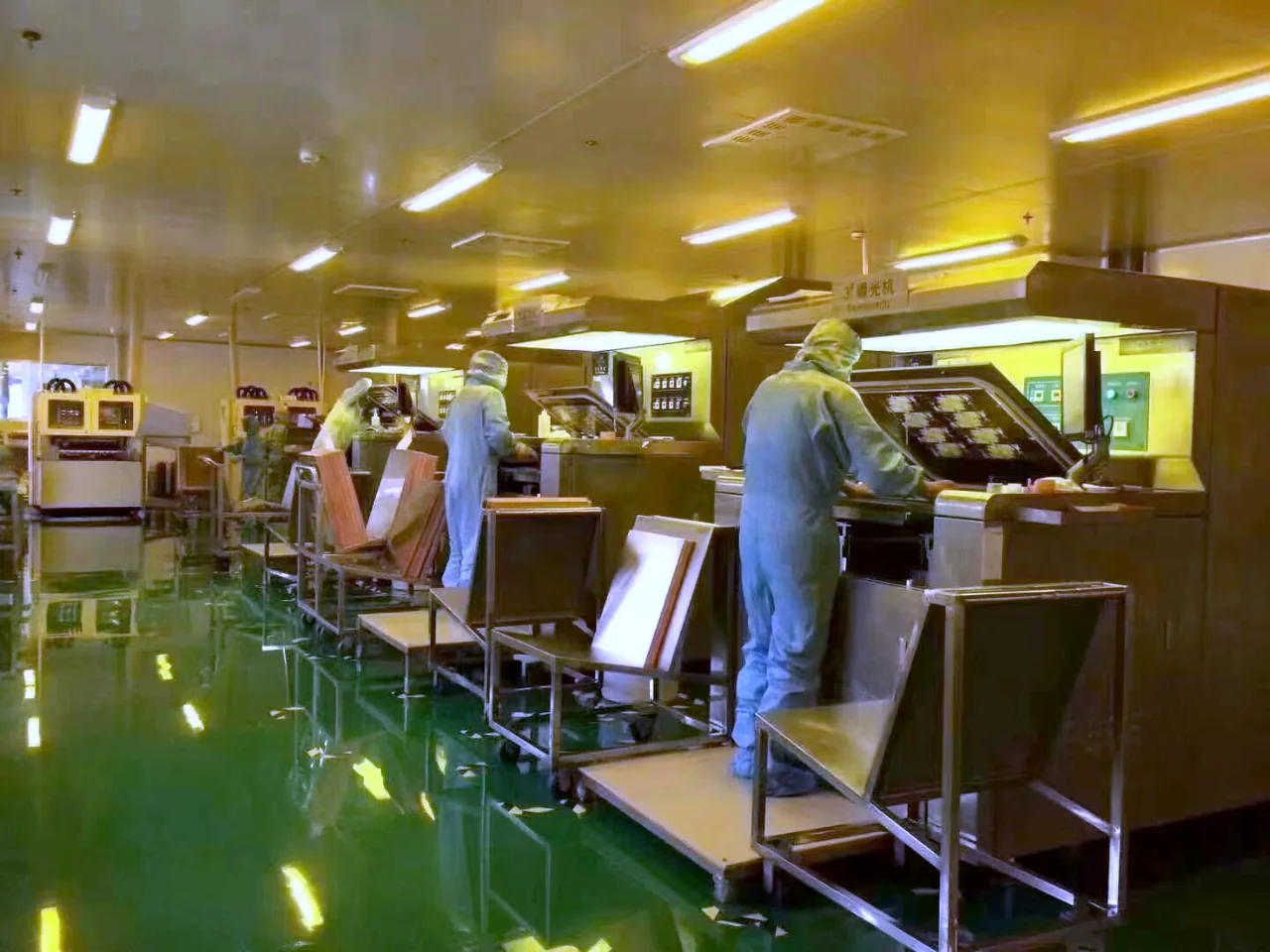
Manual inspection
Related services
FAQ
Is component sourcing only available with turnkey assembly?
How do you handle part alternates?
Can we consign some parts while you source the rest?
Do you source parts for prototype quantities?
Get started
Ready for the next step?
Send your project files and requirements. We will review stackup, assembly, and test needs, then respond with a clear quotation path.