Prototype PCB Manufacturing Services
Validate your design quickly with prototype fabrication and optional assembly—tuned for short runs, honest lead times, and DFM feedback that de-risks the next spin.
Service overview
Prototype PCB work is not “cheap boards fast” as a slogan—it is a learning loop. The goal is to power on, measure, fail safely, and lock the lessons into the next revision before you spend money on production tooling and inventory. MOZPCB runs prototypes with that mindset: clear stackup communication, panelization that supports assembly experiments, and quality gates that tell you what actually happened on the board.
Engineering prototypes, EVT bring-up lots, and DVT validation builds each need a slightly different emphasis. Early spins prioritize speed and debug access—test points, partial population, and fast DFM notes. Later spins prioritize revision control, coupon evidence, and assembly process windows that will survive pilot quantity. We help you match the build plan to the question you are trying to answer.
Fast-turn is available when materials, copper weight, and layer count allow it. Honest scheduling matters more than optimistic promises: if a specialty laminate or heavy copper pushes the window, we say so in the quote. That transparency is what keeps EVT calendars realistic for startups and enterprise NPI teams alike.
When you are ready to scale, the same documentation backbone—stackup, traveler notes, inspection criteria—carries into small-batch and turnkey programs without reinventing the process from scratch.
What we offer
- Engineering prototypes for bring-up, debug, and lab validation
- EVT and DVT lots with controlled revisions and traceable fabrication files
- Small-quantity fabrication optimized for learning, not only calendar speed
- Fast-turn options where materials, finish, and stackup permit
- DFM feedback that highlights reliability and yield risks before production hardening
- Optional prototype assembly to validate stencil design, polarity, and reflow windows
- Partial population builds for power-first or RF-first bring-up strategies
- Impedance coupons and stackup documentation when signal integrity is part of the experiment
- Test-point and fixture planning that carries into pre-production builds
Technical capabilities
- Quick-turn rigid and multilayer prototypes subject to material availability
- HDI, flex, rigid-flex, and metal-core prototypes when the design requires specialty constructions
- Expedited material pulls when supply and stackup allow
- Surface finishes suited to short prototype cycles (including ENIG and OSP as appropriate)
- Partially populated assemblies to isolate subsystems during bring-up
- Short-run solder paste and stencil iterations for sensitive or fine-pitch designs
- Flying-probe electrical test and visual inspection scaled to prototype quantities
- Revision-controlled file sets so EVT/DVT spins stay distinguishable in the field
Common applications
- Startups proving hardware before fundraising, certification, or pilot customers
- Enterprise teams validating a redesign before committing to mass tooling
- ODM and NPI programs requiring multiple EVT/DVT spins in a quarter
- University and research hardware that must move from schematic to measurable board quickly
- RF, power, and dense digital designs that need early coupon and bring-up evidence
How the process works
- 01
Prototype intent and file intake
Tell us whether this spin is bring-up, validation, or pre-pilot. Share Gerbers, stackup notes, and any assembly/partial-population plan so the quote matches the experiment.
- 02
DFM and schedule alignment
We return manufacturability notes and an honest lead-time window based on layers, materials, and finish—not a generic “express” label.
- 03
Build, inspect, and optional assemble
Boards are fabricated to the agreed traveler; assembly can be added for the same revision when you want process feedback before the next layout cut.
- 04
Feedback into the next revision
First-article and DFM findings feed your ECO list so the following spin is tighter—whether you stay on prototypes or move into small-batch/turnkey.
From prototype to inspection
-
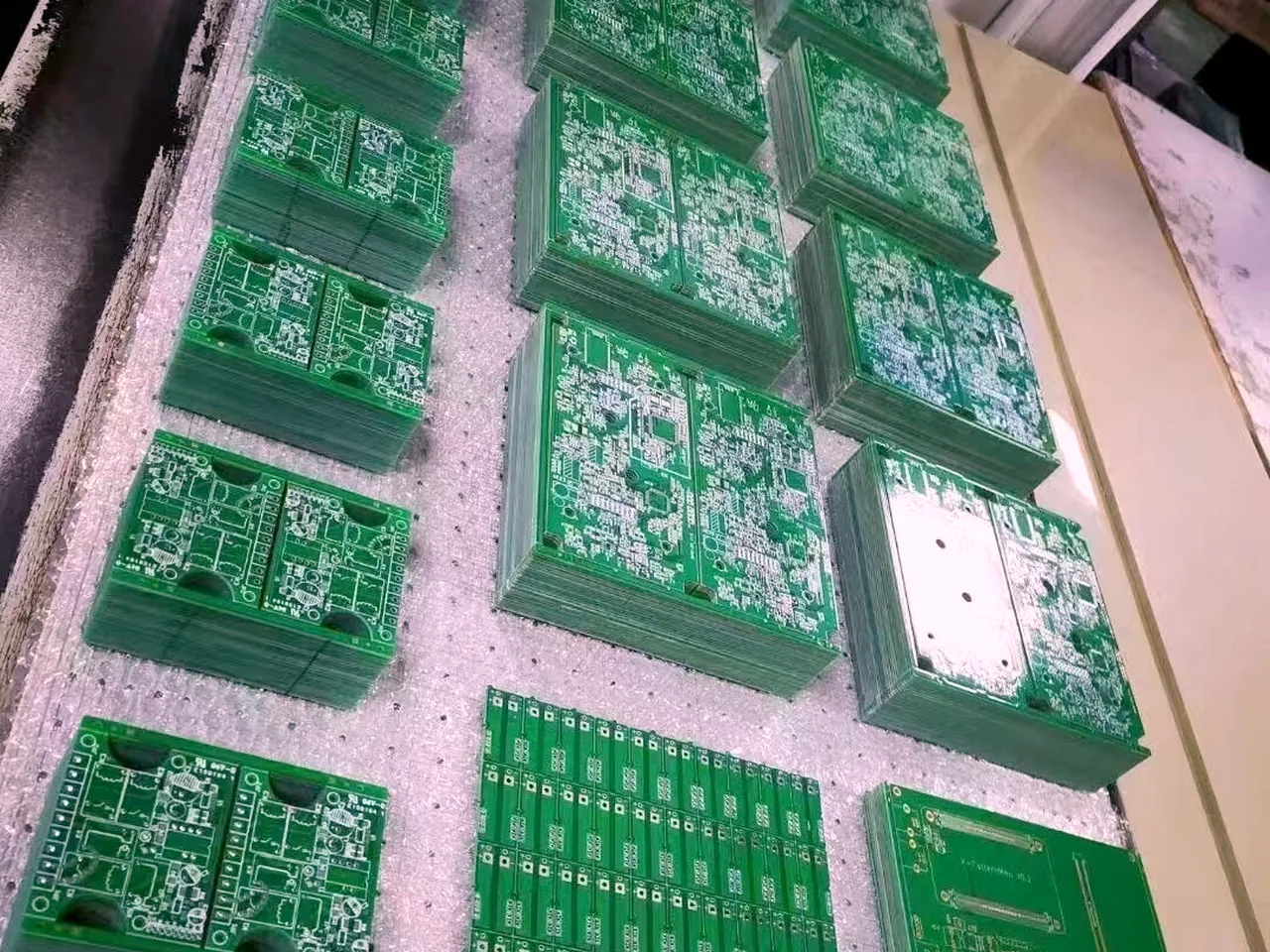
Panelized prototypes -
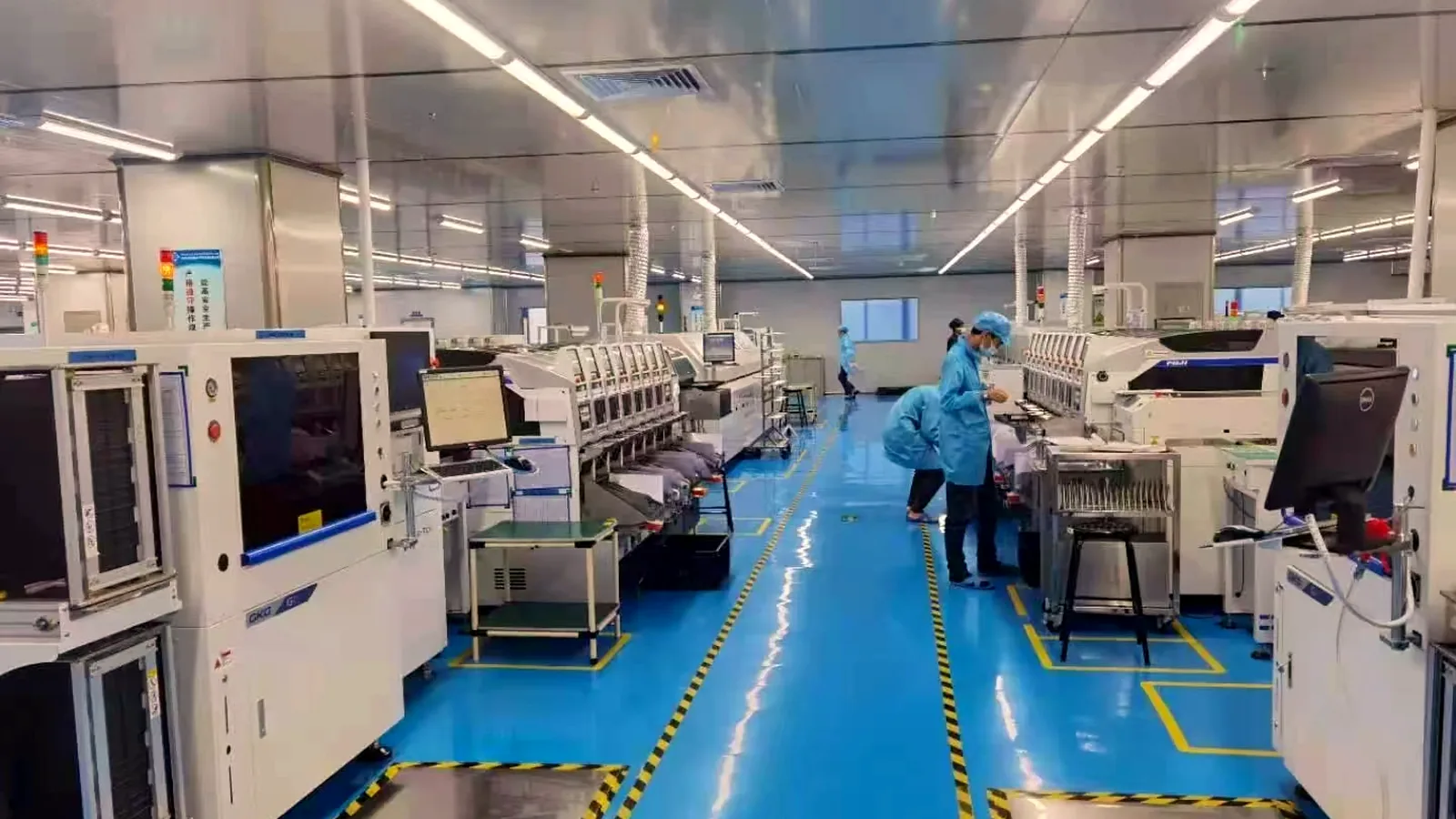
SMT assembly -
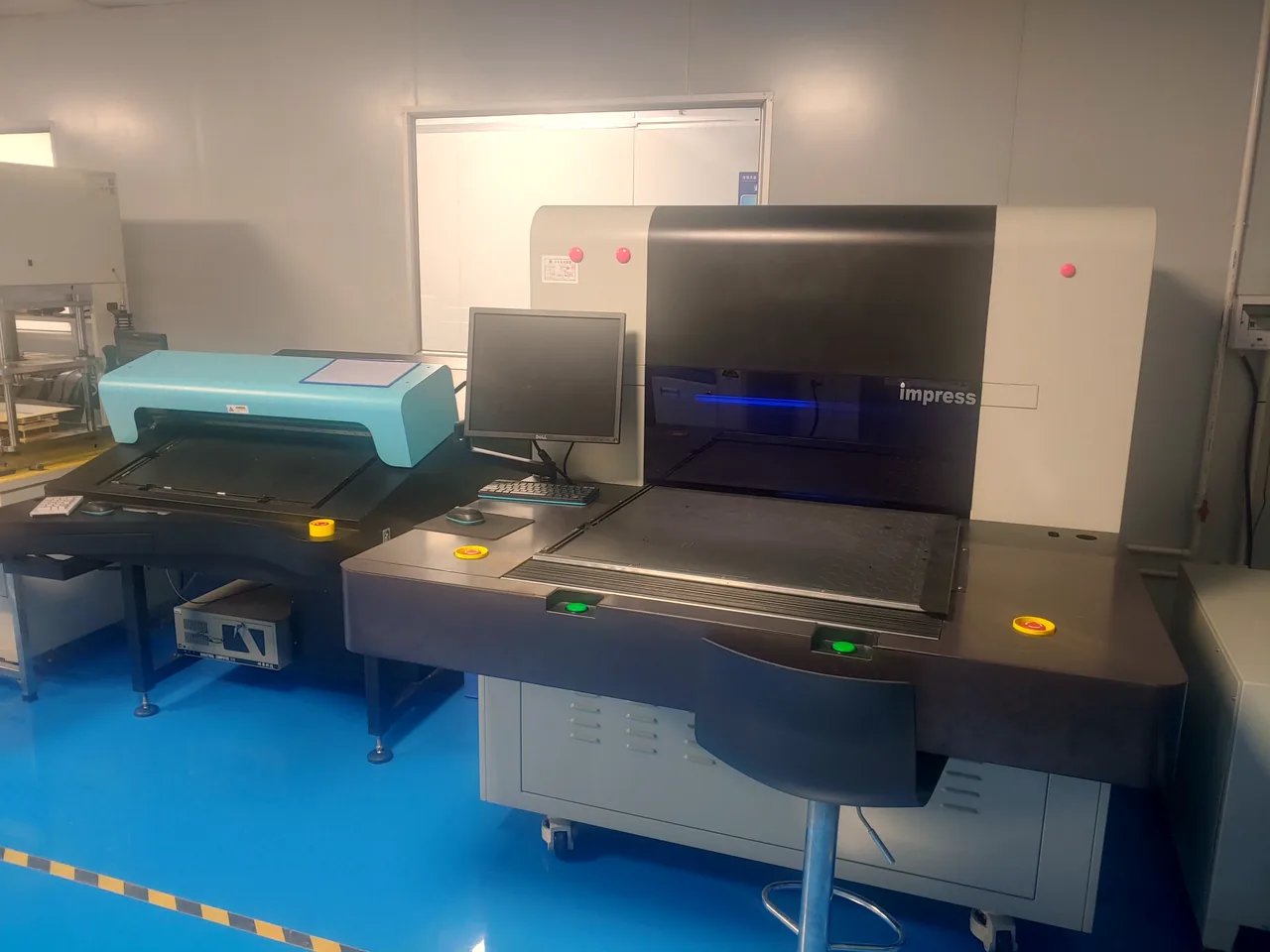
AOI inspection
Related services
FAQ
How fast can a prototype PCB turn?
Can prototypes include impedance coupons and controlled stackups?
Do you offer prototype PCB assembly as well as bare boards?
What is the difference between a prototype build and a small-batch production build?
Can you prototype HDI, rigid-flex, or metal-core designs?
What files make a prototype RFQ move quickly?
Get started
Ready for the next step?
Send your project files and requirements. We will review stackup, assembly, and test needs, then respond with a clear quotation path.