SMT Assembly Services
Surface-mount assembly is where pad design, paste volume, and reflow profile meet. MOZPCB runs SMT for prototypes and small batches with inspection gates matched to your BOM risk—not a one-size line recipe.
Service overview
SMT assembly covers everything placed and reflowed on the board surface: passives from 0201 class through fine-pitch ICs, BGAs, QFNs, and connectors. Yield depends on stencil apertures, pad geometry, component moisture handling, and whether the board finish supports the pitch you designed.
MOZPCB supports single- and double-sided SMT on multilayer assemblies, with mixed-technology flows when through-hole parts follow reflow. Consigned kits and sourcing-assisted builds are both in scope; either way, centroid data, polarity rules, and assembly drawings are verified at intake.
Prototype SMT emphasizes first-article feedback: paste issues, tombstoning on small passives, and BGA void patterns surface early when inspection is planned—not after you build 500 boards.
What we offer
- Single- and double-sided SMT placement
- Fine-pitch QFP, BGA, QFN, and 0402/0201 class passives (design-dependent)
- Stencil aperture review against pad and paste requirements
- Reflow profiling for board mass, finish, and package mix
- AOI for solder joints, polarity, and component presence
- X-ray inspection for area-array packages when specified
- MSL handling, baking, and dry-pack protocols
- Partial population and bring-up builds for incremental validation
Technical capabilities
- Lead-free reflow profiles with documented peak and soak windows
- Nitrogen reflow when specified for select programs
- Conformal coating and selective masking after SMT when requested
- Serialization and packaging formats for downstream integration
- Mixed SMT + selective wave or selective solder sequences
Common applications
- IoT and consumer electronics prototypes
- Industrial control and embedded modules
- Networking and telecom line cards
- Medical and wellness device pilot builds
- Dense digital boards with multiple fine-pitch ICs
How the process works
- 01
Data and kit intake
BOM, centroid, assembly drawing, and board finish notes are verified before scheduling.
- 02
Stencil and profile setup
Apertures and reflow parameters are set against package mix and board thermal mass.
- 03
SMT run and inspection
Placement and reflow follow the traveler with AOI and optional X-ray gates.
- 04
First article and release
FA feedback closes open issues before remaining quantity releases.
SMT line & inspection
-
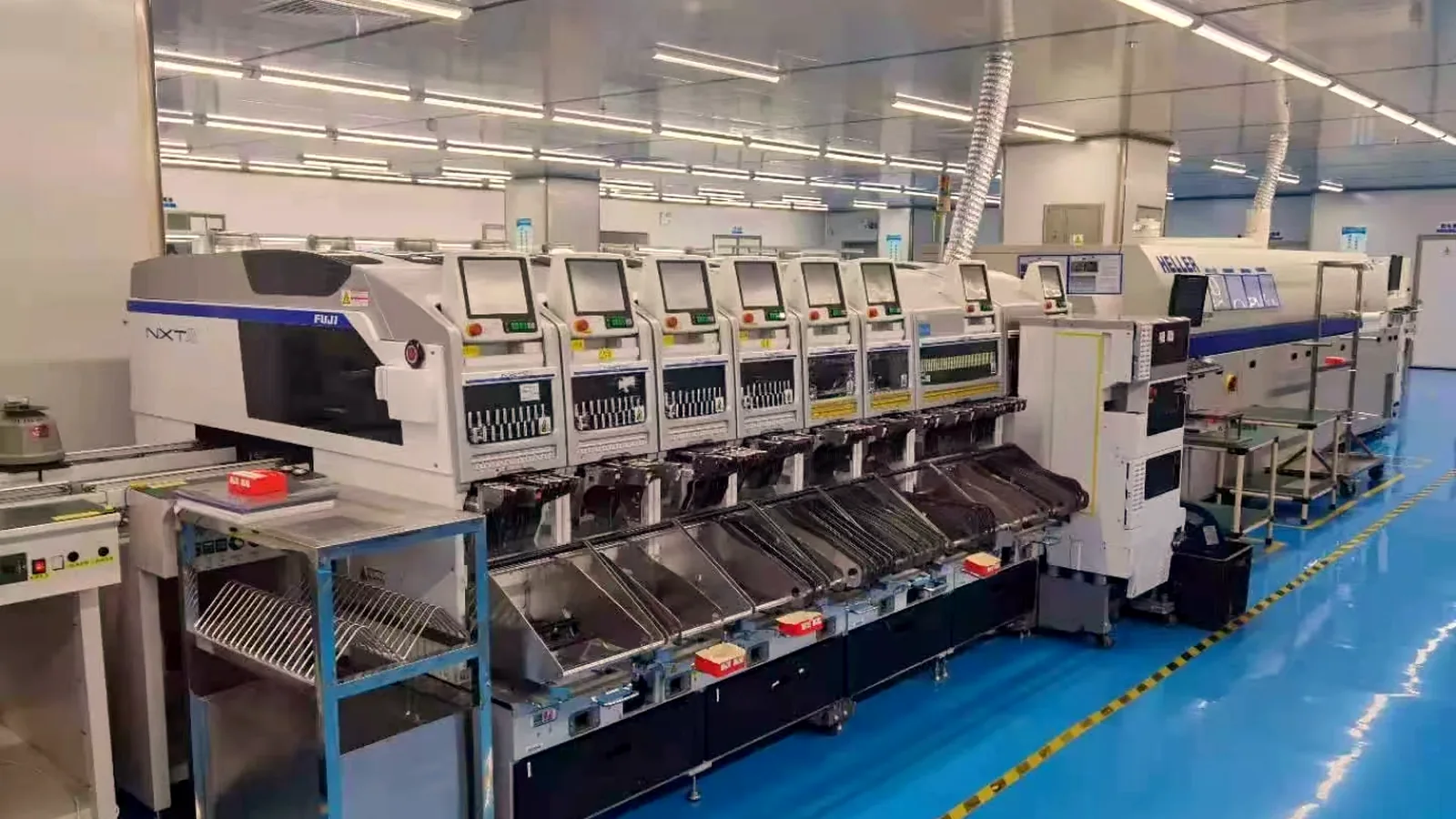
SMT placement -
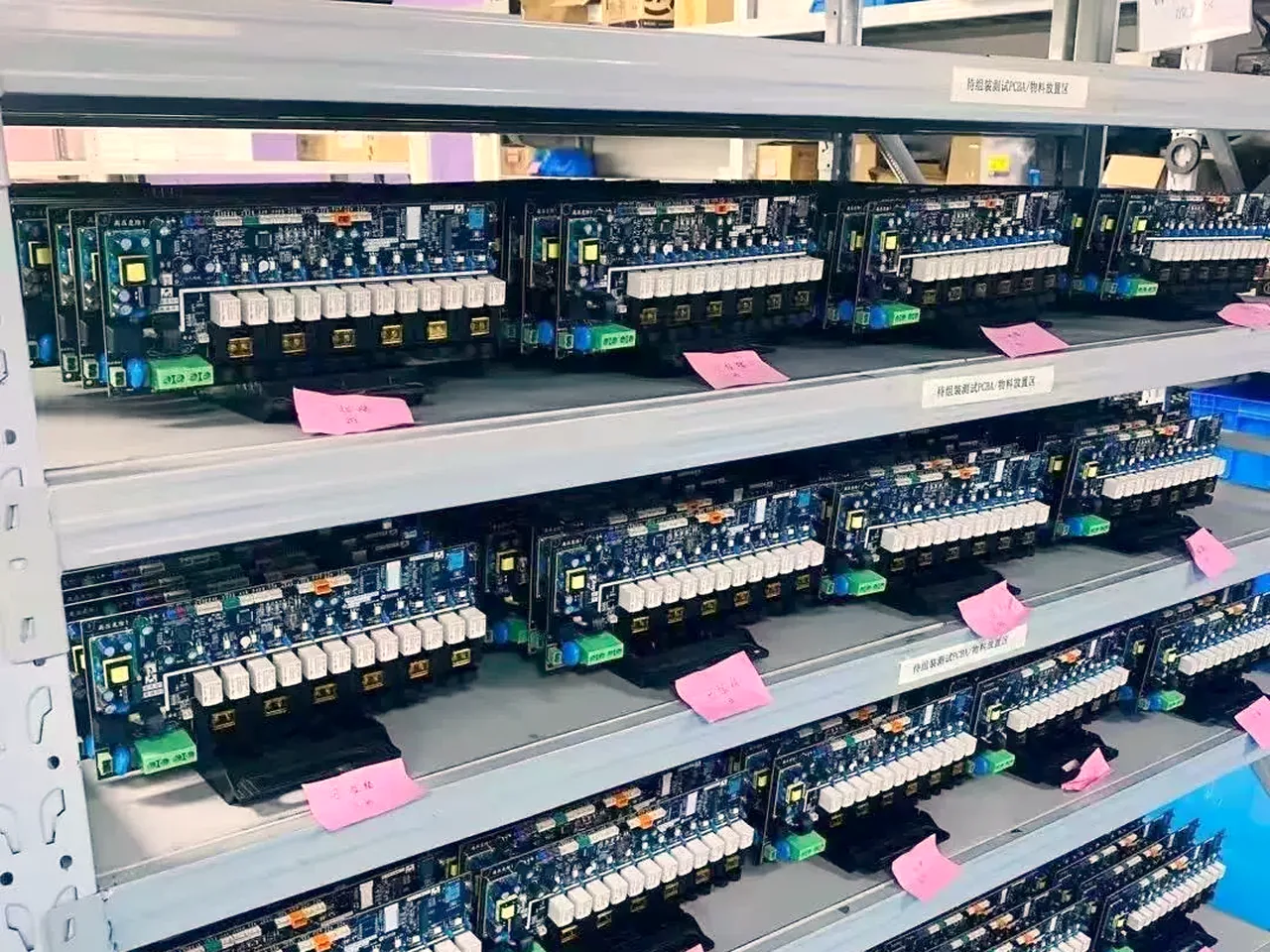
Reel feeders -
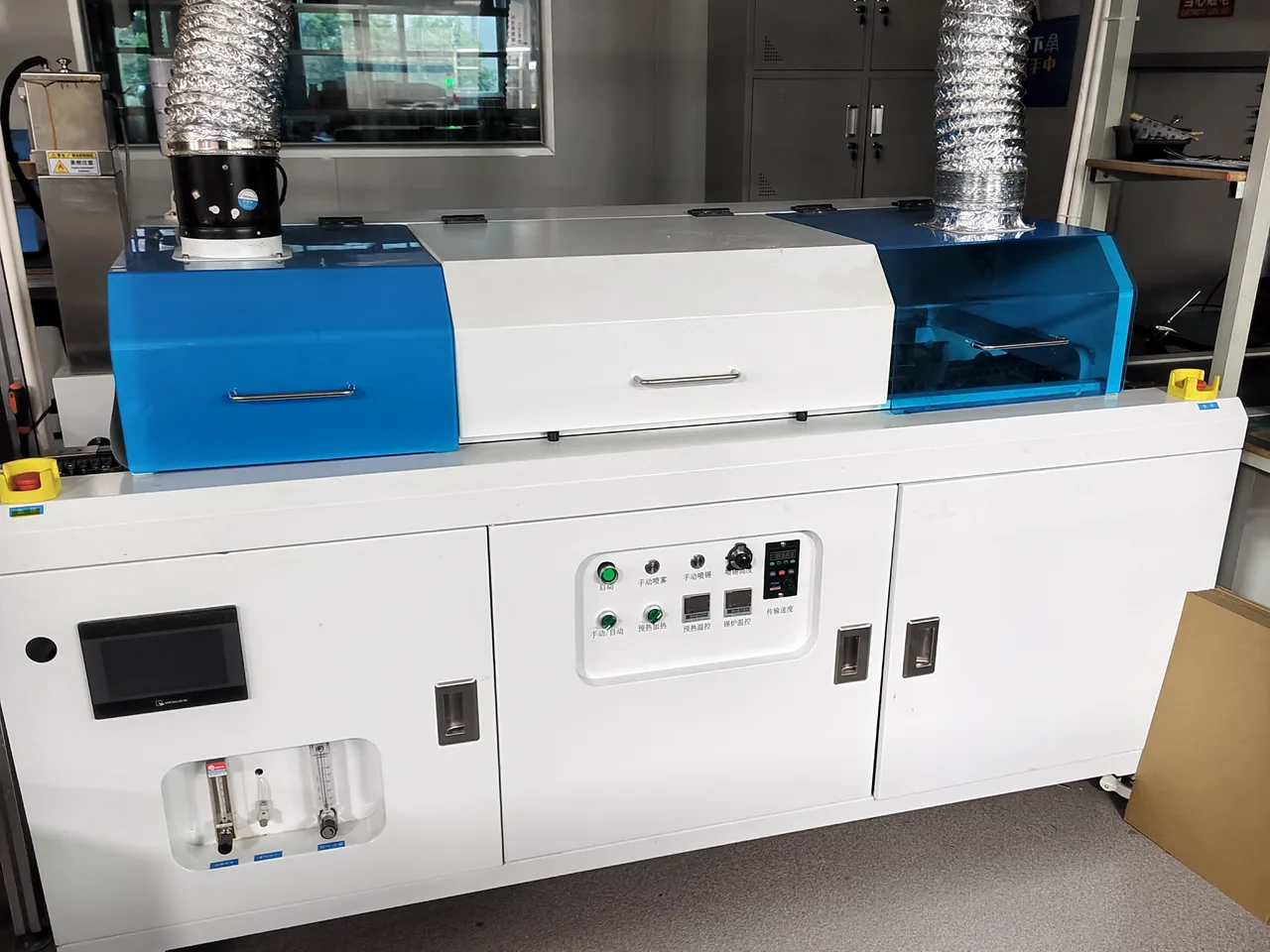
Reflow soldering -
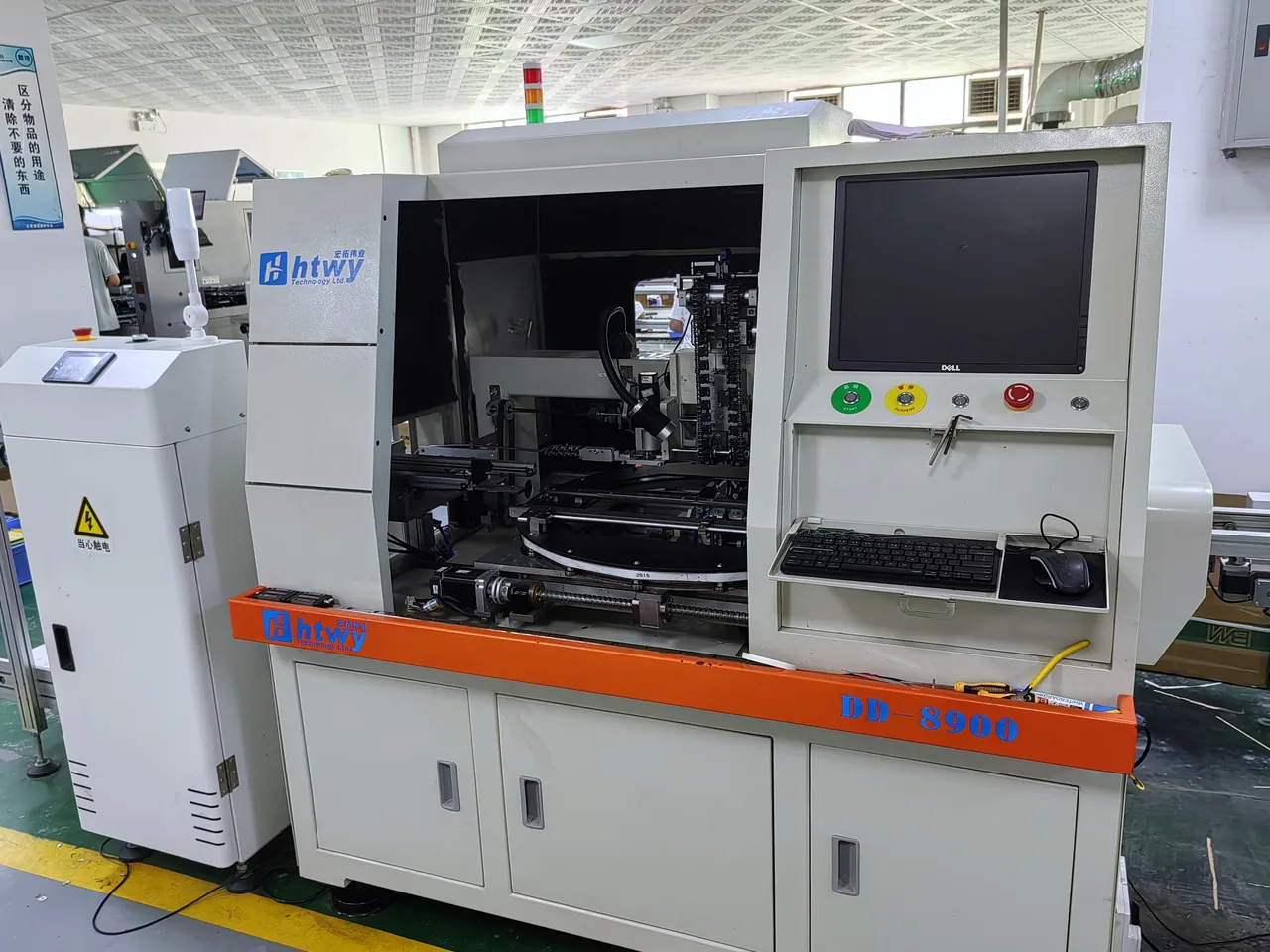
THT insertion -
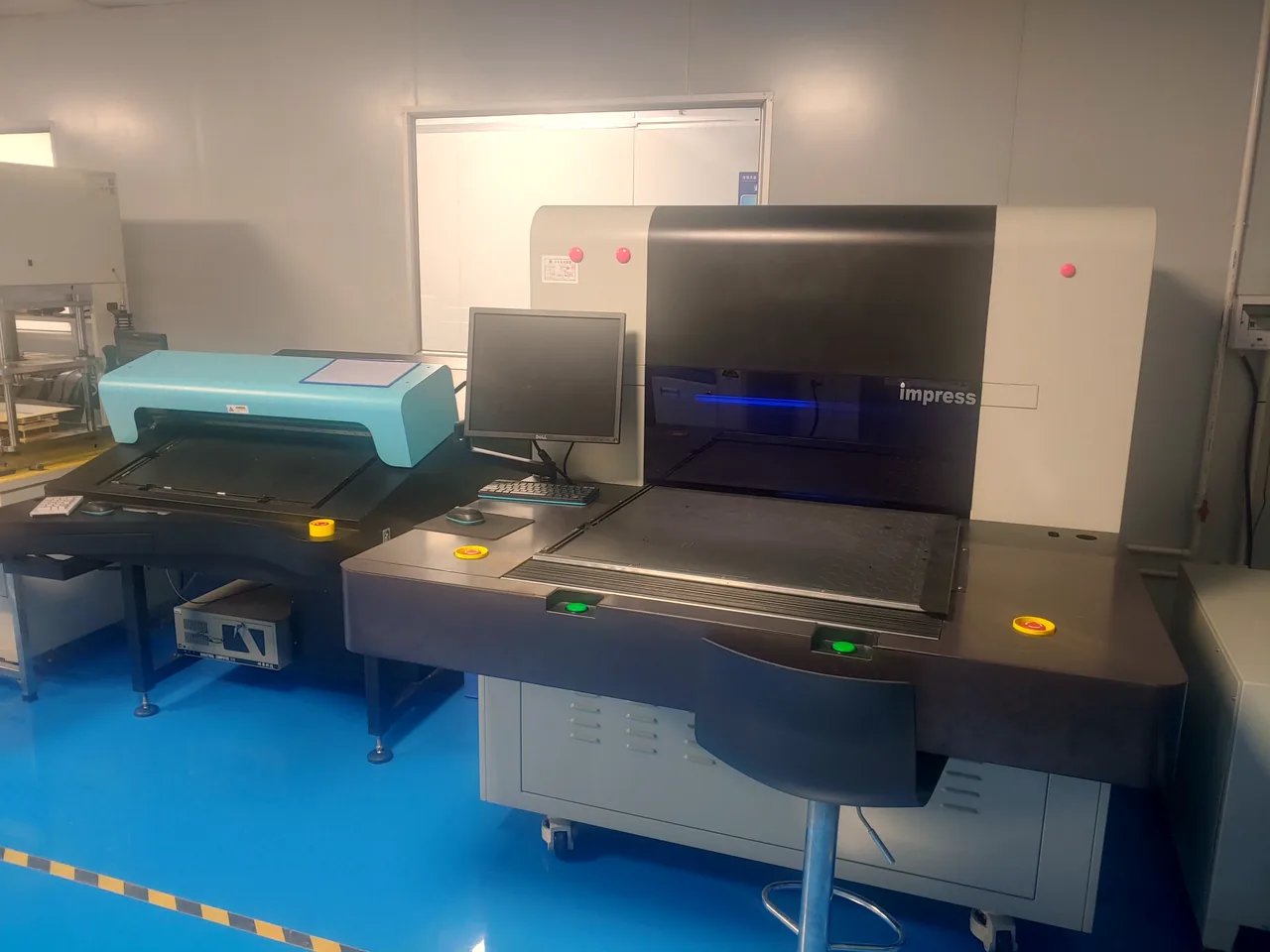
AOI inspection -
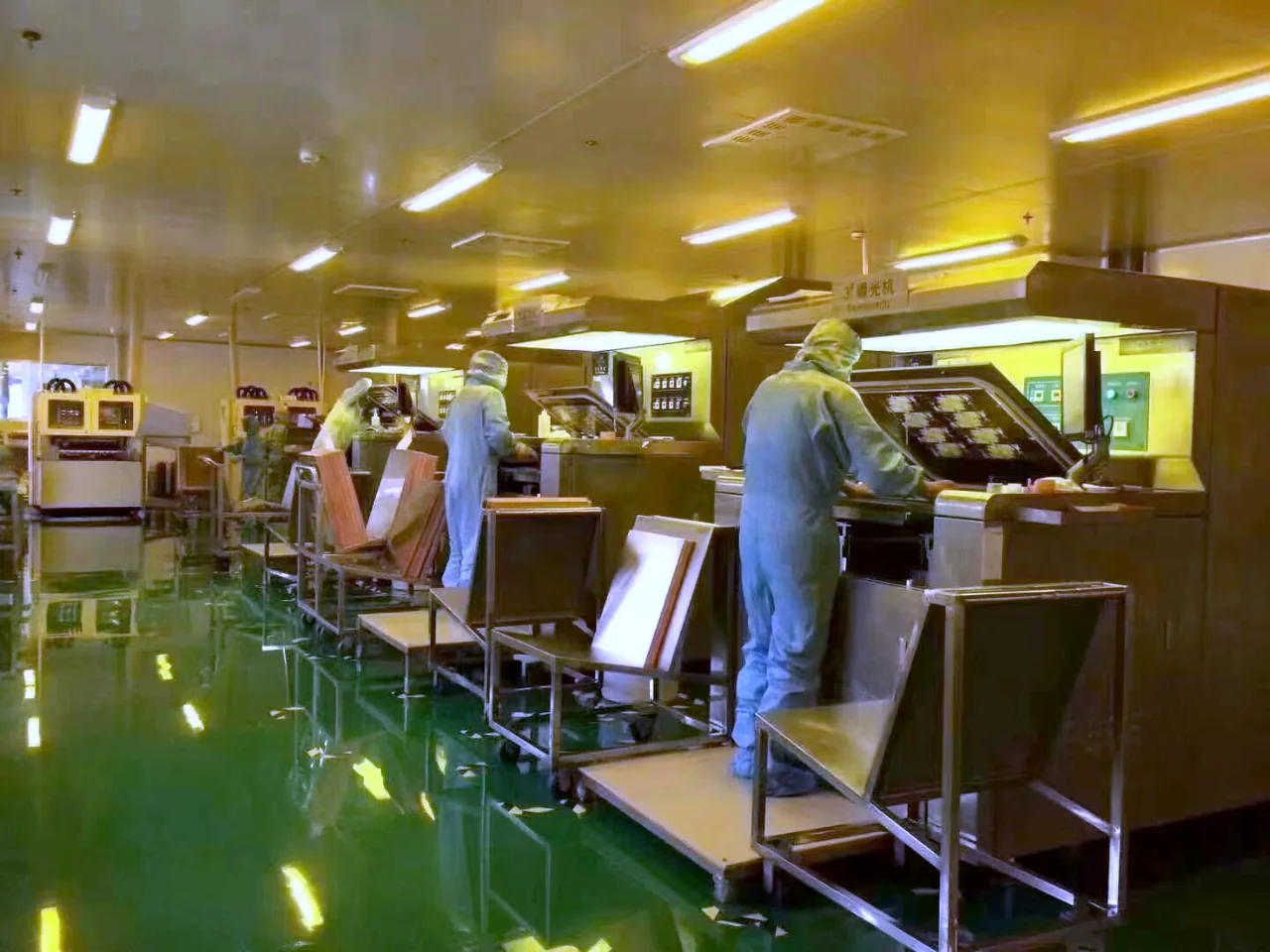
Manual inspection
Related services
FAQ
What files do you need for an SMT quote?
Do you assemble BGAs and QFNs?
Is SMT-only assembly available without through-hole?
How does SMT differ from full PCB assembly on your site?
Get started
Ready for the next step?
Send your project files and requirements. We will review stackup, assembly, and test needs, then respond with a clear quotation path.