Metal Core PCB Manufacturing Services
Metal core PCBs move heat away from LEDs and power components far better than standard FR-4. MOZPCB builds aluminum and copper base boards with dielectric selection matched to your thermal budget.
Service overview
A metal core PCB (MCPCB) replaces the FR-4 substrate with an aluminum or copper base separated from the circuit layer by a thermally conductive dielectric. The dielectric is the critical choice: its thermal conductivity and thickness set how efficiently heat travels from component pads into the metal base.
We review your power dissipation, ambient conditions, and mounting method (heatsink, chassis, open air) before recommending base material, dielectric grade, and copper weight—so the board is quoted around a thermal target, not just a layer count.
Most programs are single-layer aluminum boards for LED and power applications; double-layer and copper-base constructions are supported where the design justifies them.
What we offer
- Aluminum base PCBs (5052, 6061) in standard and heavy thicknesses
- Copper base PCBs for the highest thermal-demand designs
- Thermally conductive dielectrics from 1 W/mK standard grades to 3 W/mK and above
- Heavy copper circuit layers up to 3 oz and beyond for power routing
- Countersinks, chamfers, and precision CNC profiles for fixture mounting
- White high-reflectivity solder mask for LED lighting applications
- Assembly of MCPCBs including reflow profiles adjusted for metal thermal mass
- Thermal design feedback: pad geometry, via placement, and dielectric selection
Technical capabilities
- Base thicknesses commonly 1.0, 1.6, 2.0, and 3.0 mm, per mechanical drawings
- Dielectric thermal conductivity options reviewed against your power budget
- Single- and double-layer constructions; multilayer hybrid builds case by case
- Copper weights from 1 oz to 3 oz standard, heavier subject to review
- Surface finishes including HASL, lead-free HASL, ENIG, and OSP
- V-scoring and routing profiles adapted to metal substrates
Common applications
- LED lighting: street lights, high-bay fixtures, automotive lamps, grow lights
- Power conversion: DC-DC modules, motor drives, solar inverters
- Automotive electronics with high under-hood ambient temperatures
- Telecom power amplifiers and base station modules
- Industrial heaters, welders, and high-current control boards
How the process works
- 01
Requirements intake
Share Gerber, BOM, drawings, quantities, and any reliability or compliance notes.
- 02
Technical alignment
We confirm materials, finishes, assembly flow, and test expectations with you.
- 03
Production & inspection
Manufacturing and assembly follow the agreed traveler with documented checks.
- 04
Delivery
Packing, labeling, and shipment according to your logistics instructions.
In our factory
-
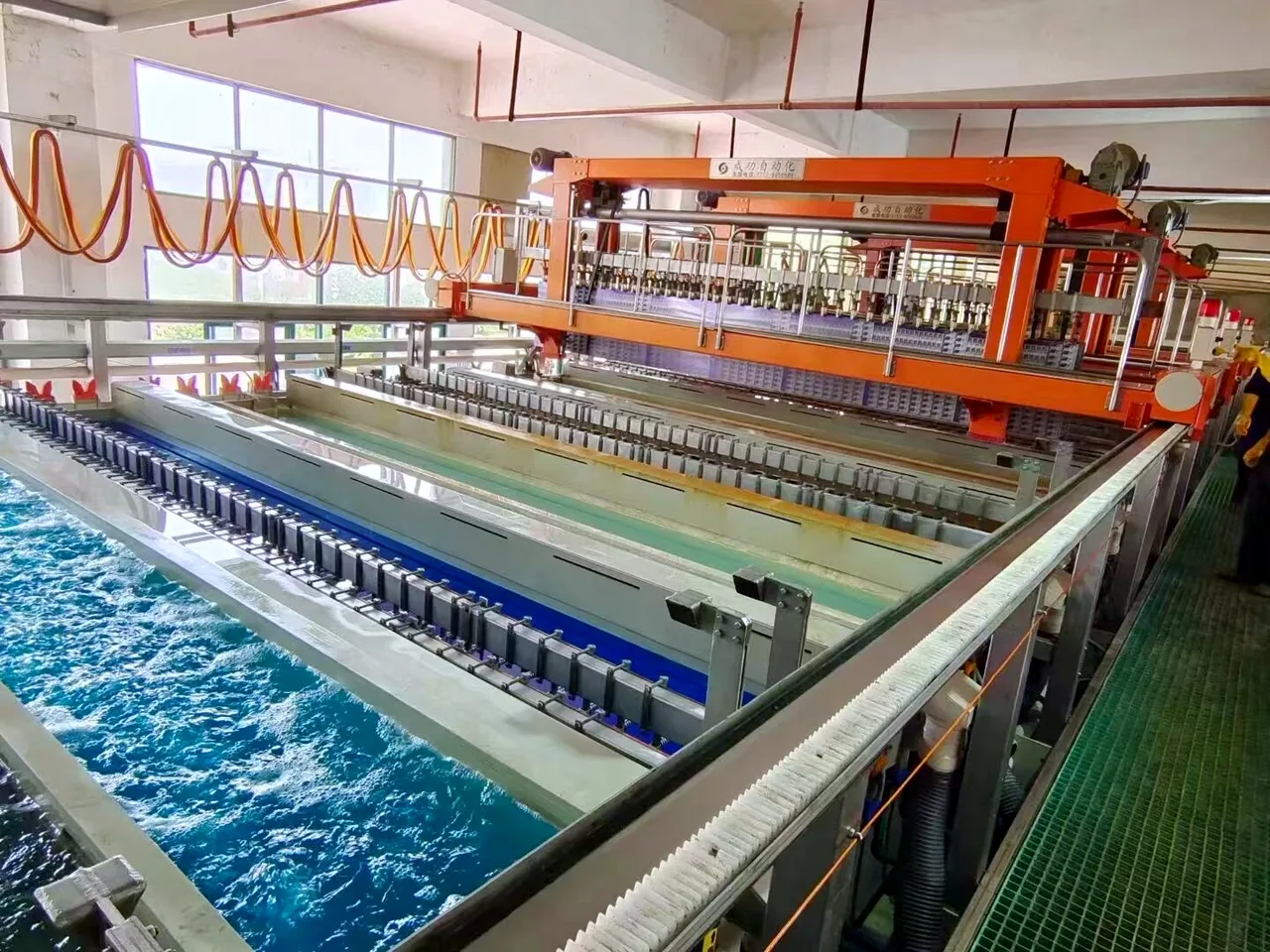
Plating line -
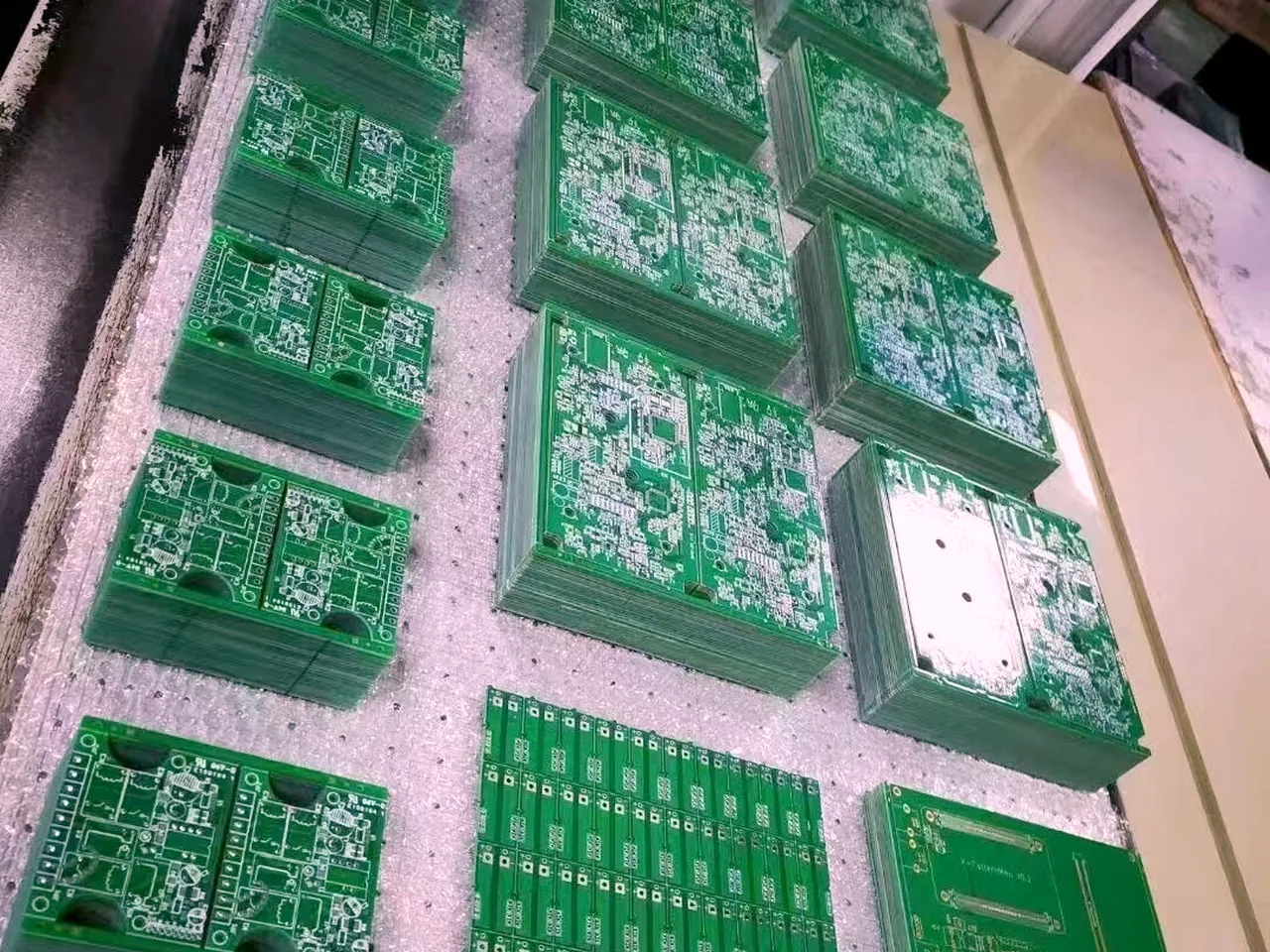
Panelized boards -
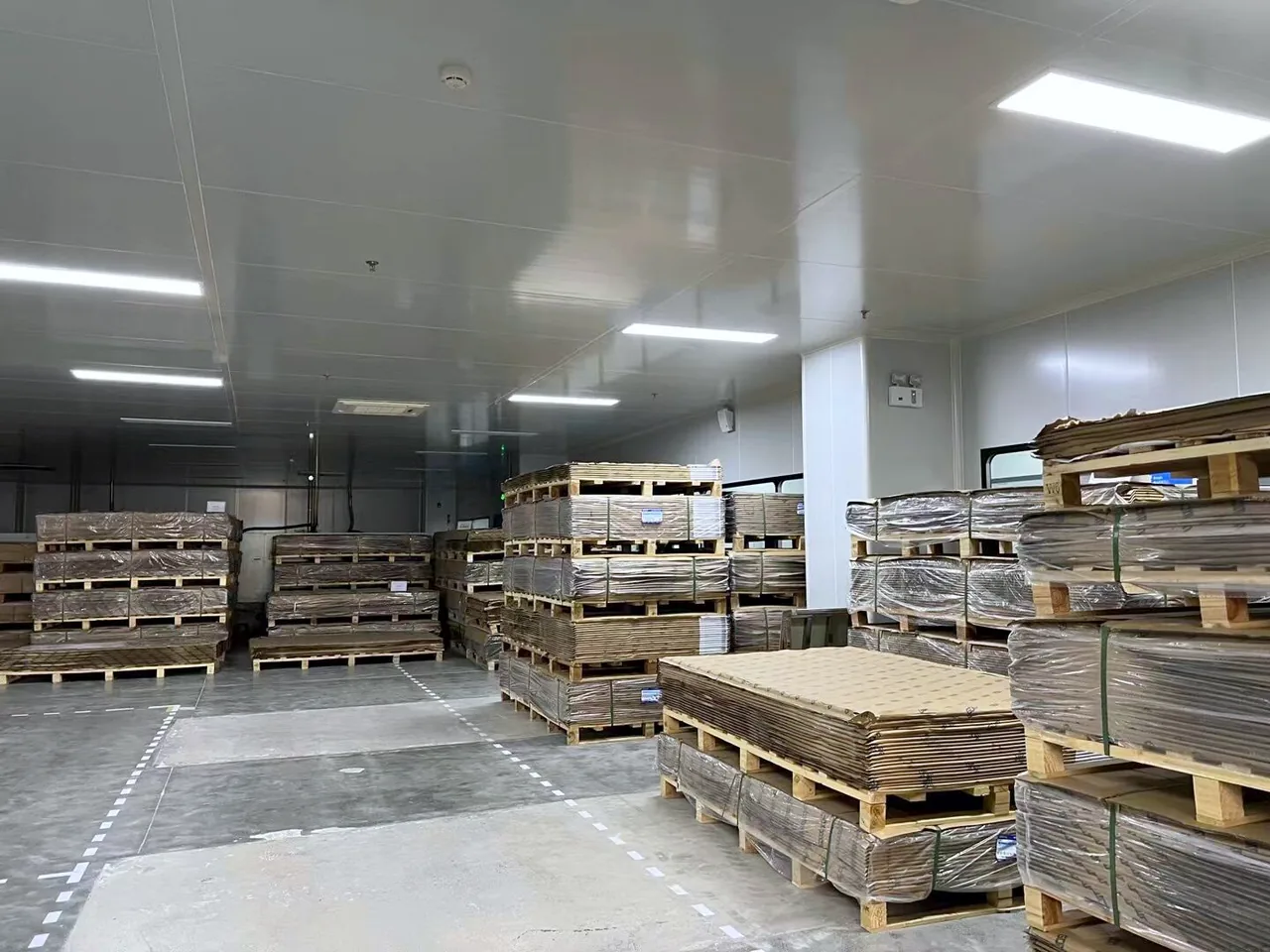
Laminate store
Related services
FAQ
When do I need a metal core PCB instead of FR-4 with thermal vias?
Aluminum or copper base—how do I choose?
What does the dielectric thermal conductivity rating mean in practice?
Can metal core PCBs have circuits on both sides?
Do you assemble metal core boards?
Get started
Ready for the next step?
Send your project files and requirements. We will review stackup, assembly, and test needs, then respond with a clear quotation path.